How to Choose the Right Supplement for Your Health Goals: The Complete Evidence-Based Guide
Choosing the right supplement for your health goals can feel overwhelming with thousands of products lining store shelves and flooding online marketplaces. Whether you’re aiming to boost energy, support immune function, build muscle, or address specific nutritional deficiencies, understanding how to select appropriate supplements is crucial for achieving your wellness objectives safely and effectively. [supplement for health goals]
The global dietary supplement market has exploded to over $150 billion annually, yet studies show that nearly 50% of people taking supplements don’t actually need them or choose inappropriate products for their needs. This comprehensive guide will walk you through the science-backed process of identifying, evaluating, and selecting supplements that align with your unique health goals. [supplement for health goals]
Understanding Your Baseline Health Status
Before purchasing any supplement for health goals, you must establish a clear picture of your current health status. This foundation prevents unnecessary supplementation and helps identify genuine nutritional gaps. [supplement for health goals]
Start by scheduling a comprehensive blood panel with your healthcare provider. Request tests for vitamin D, B12, iron, folate, and other common deficiency markers. These objective measurements reveal whether you actually need supplementation or if dietary modifications might suffice. Many people assume they need certain supplements when they actually have adequate levels through their diet alone. [supplement for health goals]
Consider your medical history, current medications, and existing health conditions. Supplements can interact with prescription drugs, sometimes reducing their effectiveness or causing adverse effects. For example, vitamin K can interfere with blood thinners, while calcium can reduce the absorption of certain antibiotics. A thorough health assessment ensures that any supplement for health goals you choose will complement rather than complicate your existing health management.
Track your dietary patterns for at least one week using a food diary or nutrition app. This exercise often reveals patterns you weren’t aware of—perhaps you’re consuming adequate protein but lacking in omega-3 fatty acids, or getting plenty of iron but insufficient vitamin C to help absorb it. Understanding your dietary baseline helps you make informed decisions about where supplementation might genuinely benefit you. [supplement for health goals]

Defining Clear and Measurable Health Goals
Generic health goals lead to generic supplement choices that rarely deliver results. Transform vague aspirations into specific, measurable objectives that guide your supplement selection process. [supplement for health goals]
Instead of “improve energy,” define your goal as “reduce afternoon fatigue and maintain consistent energy levels throughout the workday.” Instead of “get healthier,” specify “reduce inflammation markers by 20% within three months” or “increase bone density scores by the next DEXA scan.” These concrete targets allow you to select supplements with research backing their effectiveness for your particular outcome. [supplement for health goals]
Consider your timeline and expectations realistically. Some supplements show effects within days (like iron for diagnosed anemia), while others require months of consistent use (like many adaptogens or joint-support formulas). Understanding typical timeframes prevents premature abandonment of effective supplements or continued use of ineffective ones. [supplement for health goals]
Prioritize your goals if you have multiple health objectives. Trying to address everything simultaneously with multiple supplements increases complexity, cost, and the risk of interactions. Start with your most pressing health concern, establish that supplement routine successfully, then gradually add others if needed. This methodical approach makes it easier to identify which supplements actually contribute to improvements. [supplement for health goals]
Researching Evidence-Based Supplement Options
Not all supplements have equal scientific support. Learning to distinguish between marketing hype and genuine research findings protects you from wasting money on ineffective products. [supplement for health goals]
Begin with peer-reviewed research databases like PubMed, Google Scholar, or the Cochrane Library. Search for systematic reviews and meta-analyses related to your health goal—these summarize findings from multiple studies and provide more reliable conclusions than individual studies. Look for human studies rather than animal or in-vitro research, as results don’t always translate across species. [supplement for health goals]
Evaluate the quality of evidence supporting each supplement for health goals you’re considering. Strong evidence includes multiple randomized controlled trials with consistent positive results. Moderate evidence might include observational studies or smaller trials. Weak evidence consists primarily of theoretical mechanisms, animal studies, or testimonials. While emerging supplements with limited research aren’t necessarily ineffective, they carry more uncertainty.
Check resources from reputable health organizations. The National Institutes of Health’s Office of Dietary Supplements provides fact sheets on common supplements with evidence summaries. Professional medical associations often publish position statements on supplementation for specific conditions. These expert-reviewed resources help you quickly assess whether a supplement has legitimate support for your intended use.
Be skeptical of supplements claiming to address numerous unrelated conditions. Legitimate supplements typically have focused effects based on their mechanisms of action. A product claiming to simultaneously boost immunity, enhance cognitive function, promote weight loss, and improve skin health is likely making exaggerated promises not supported by research. [supplement for health goals]
Evaluating Supplement Quality and Safety
The supplement industry operates under different regulatory standards than pharmaceutical drugs, making quality evaluation essential for consumer safety.
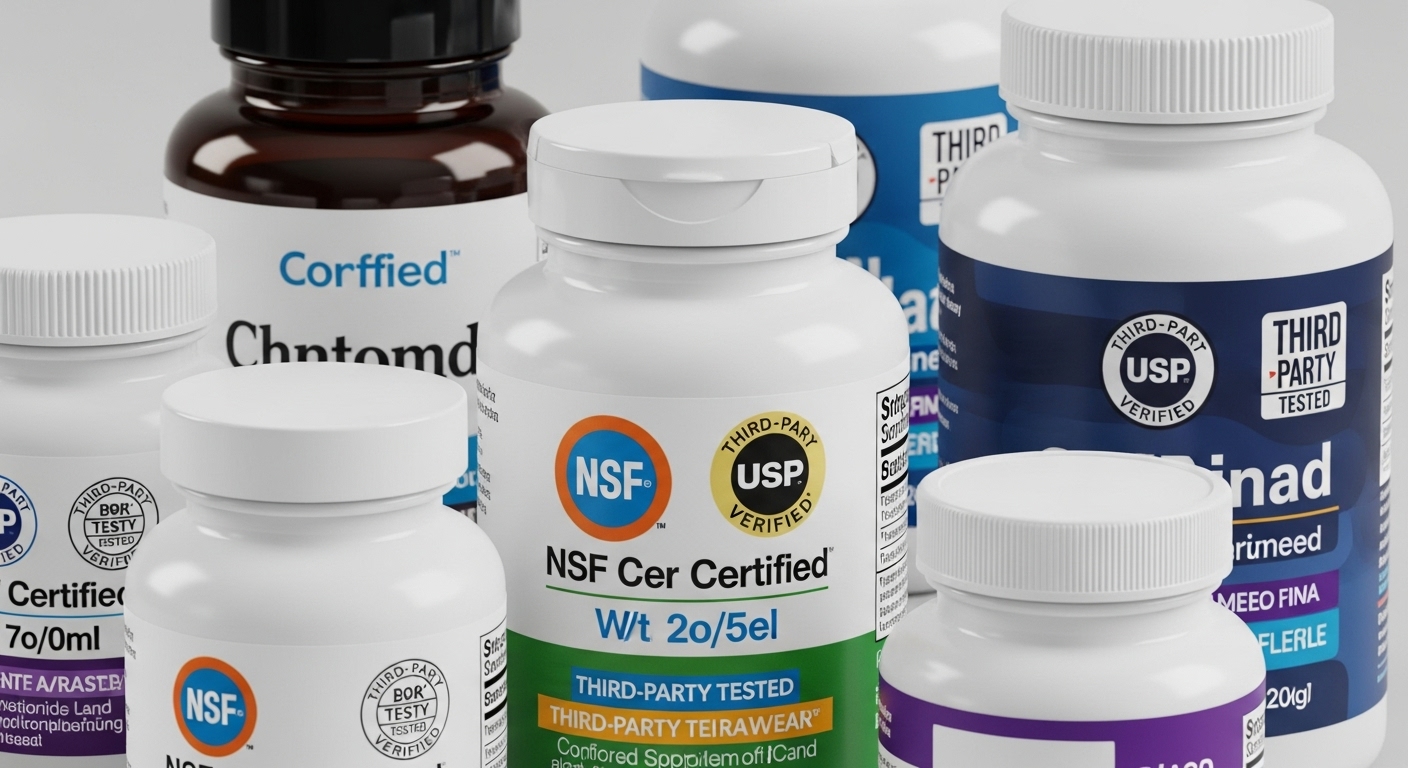
Look for third-party testing certifications on supplement labels. Organizations like NSF International, USP (United States Pharmacopeia), ConsumerLab, and Informed Choice independently verify that products contain what their labels claim and are free from harmful contaminants. These certifications don’t guarantee effectiveness, but they ensure you’re getting what you pay for without dangerous adulterants. [supplement for health goals]
Research the manufacturer’s reputation and transparency. Reputable companies openly share information about their sourcing, manufacturing processes, and quality control measures. They maintain GMP (Good Manufacturing Practices) certification and often provide certificates of analysis for their products. Be wary of companies that can’t or won’t answer questions about their quality assurance practices. [supplement for health goals]
Check for potential contaminants specific to certain supplement types. Some fish oil supplements contain concerning levels of mercury or PCBs. Some herbal supplements have been found contaminated with heavy metals or even prescription medications. Third-party testing results, when available, provide peace of mind about these safety concerns. [supplement for health goals]
Consider the form and bioavailability of nutrients in your chosen supplement for health goals. Not all forms are created equal—magnesium glycinate absorbs better than magnesium oxide, methylcobalamin may be more effective than cyanocobalamin for some people, and chelated minerals generally absorb better than non-chelated forms. The cheapest option isn’t always the best value if your body can’t effectively utilize it.
If you’re looking for more detailed information on product selection and brand comparisons, check out our comprehensive supplements buying guide that covers trusted manufacturers, price comparisons, and where to find the best deals on quality products.”
Understanding Dosage and Timing Considerations
Proper dosing separates effective supplementation from wasted money or potential harm. More isn’t always better, and timing can significantly impact absorption and effectiveness. [supplement for health goals]
Start with the lowest effective dose supported by research for your specific health goal. Many people assume higher doses provide better results, but this isn’t typically true and increases the risk of side effects or toxicity. For most supplements, there’s a therapeutic range where benefits occur, beyond which additional amounts provide no extra benefit. [supplement for health goals]
Understand the difference between RDA (Recommended Dietary Allowance), UL (Tolerable Upper Intake Level), and therapeutic doses. The RDA prevents deficiency in healthy populations but may not be sufficient for therapeutic purposes. The UL represents the maximum daily intake unlikely to cause adverse effects. Therapeutic doses for specific conditions sometimes exceed the RDA but should remain below the UL and only be taken under professional guidance.
Learn optimal timing for your supplements. Fat-soluble vitamins (A, D, E, K) absorb best with dietary fat. Some supplements like magnesium are best taken in the evening due to their calming effects, while B vitamins are better suited for morning as they support energy production. Calcium and iron compete for absorption and shouldn’t be taken together. Proper timing maximizes the benefit you receive from each supplement for health goals.
Consider whether you need continuous supplementation or if cycling makes sense. Some supplements work best with regular daily use, while others may benefit from periodic breaks. Certain herbs, for example, may be more effective when cycled rather than taken continuously. Discuss this with a knowledgeable healthcare provider for your specific supplement regimen. [supplement for health goals]

Monitoring Results and Adjusting Your Approach
Effective supplementation requires ongoing assessment rather than a “set it and forget it” approach. Systematic monitoring helps you determine whether your chosen supplements actually support your health goals.
Establish baseline measurements before starting supplementation. This might include lab work, physical measurements, symptom tracking, or performance metrics depending on your goals. Without a baseline, you can’t objectively determine whether changes result from your supplements or other factors.
Keep a supplement journal documenting what you take, when, and at what dose, alongside relevant health metrics and how you feel. This practice helps identify patterns and connections between your supplementation and outcomes. Note any side effects, changes in energy, sleep quality, digestion, or other relevant factors. After several weeks, patterns often emerge that inform your continued use or adjustment.
Schedule follow-up testing at appropriate intervals. If you started vitamin D supplementation for low levels, retest after 8-12 weeks to see if your approach is working. If you’re taking supplements for inflammation, consider retesting inflammatory markers after three months. Objective data prevents continuing ineffective supplements or missing the need to adjust doses.
Be honest about whether results justify the cost and effort. Quality supplements can be expensive, and taking multiple products daily requires commitment. If a supplement isn’t producing measurable benefits after an appropriate trial period (usually 8-12 weeks minimum for most supplements), consider whether you should continue, adjust the dose, try a different form or brand, or discontinue that supplement entirely.

Working With Healthcare Professionals
While self-education is valuable, professional guidance ensures your supplement for health goals approach is safe, effective, and personalized to your unique situation.
Find a healthcare provider knowledgeable about nutrition and supplementation. This might be a physician, registered dietitian, naturopathic doctor, or functional medicine practitioner. The key is finding someone who considers both conventional and evidence-based integrative approaches rather than dismissing supplements entirely or recommending them indiscriminately.
Be transparent about all supplements you’re taking or considering. Bring bottles to appointments and share your research. A good provider will discuss the evidence, potential interactions, and whether supplementation makes sense for your situation. They can order relevant testing and help interpret results in the context of your overall health picture.
Consider working with specialists for specific conditions. Endocrinologists can help optimize supplements for thyroid health, sports medicine doctors understand performance supplements, and cardiologists can guide heart-healthy supplementation. Specialists bring deeper knowledge about how supplements interact with condition-specific medications and treatments.
Recognize when to seek professional help before starting supplements. If you’re pregnant or breastfeeding, taking multiple medications, have kidney or liver disease, or are planning surgery, professional guidance isn’t optional—it’s essential for safety. Certain populations, including children and elderly individuals, also need more careful supplement selection and monitoring.
Common Pitfalls to Avoid
Learning from others’ mistakes helps you navigate the supplement world more successfully. These frequent errors lead to wasted money, disappointing results, or even health risks.
Don’t rely on testimonials and marketing claims as evidence. The placebo effect is powerful, and individual anecdotes don’t represent what typical users can expect. Marketing materials are designed to sell products, not provide balanced information. Always look for peer-reviewed research supporting claims for any supplement for health goals you’re considering.
Avoid the “kitchen sink” approach of taking numerous supplements without clear rationale. More supplements don’t equal better health, and some combinations can interfere with each other. Start with one or two well-chosen supplements addressing your primary goals, prove they work for you, then consider adding others if needed.
Don’t assume natural equals safe. Many potent substances occur naturally, and “natural” supplements can still cause side effects, interact with medications, or be inappropriate for certain health conditions. Natural products require the same careful consideration as synthetic ones.
Resist the temptation to self-diagnose serious conditions and treat them with supplements alone. While supplements support health and address nutritional gaps, they aren’t substitutes for proper medical diagnosis and treatment of significant health problems. Use supplements as part of a comprehensive health strategy, not as a replacement for appropriate medical care.